Scans & Imaging
What an MRI actually shows — and what it doesn't
Radiologists share how to read the language of scans, common misconceptions, and why "suspicious" rarely means what patients fear it means.
Dr. Marcus Liang·April 11, 2026· 1 min read
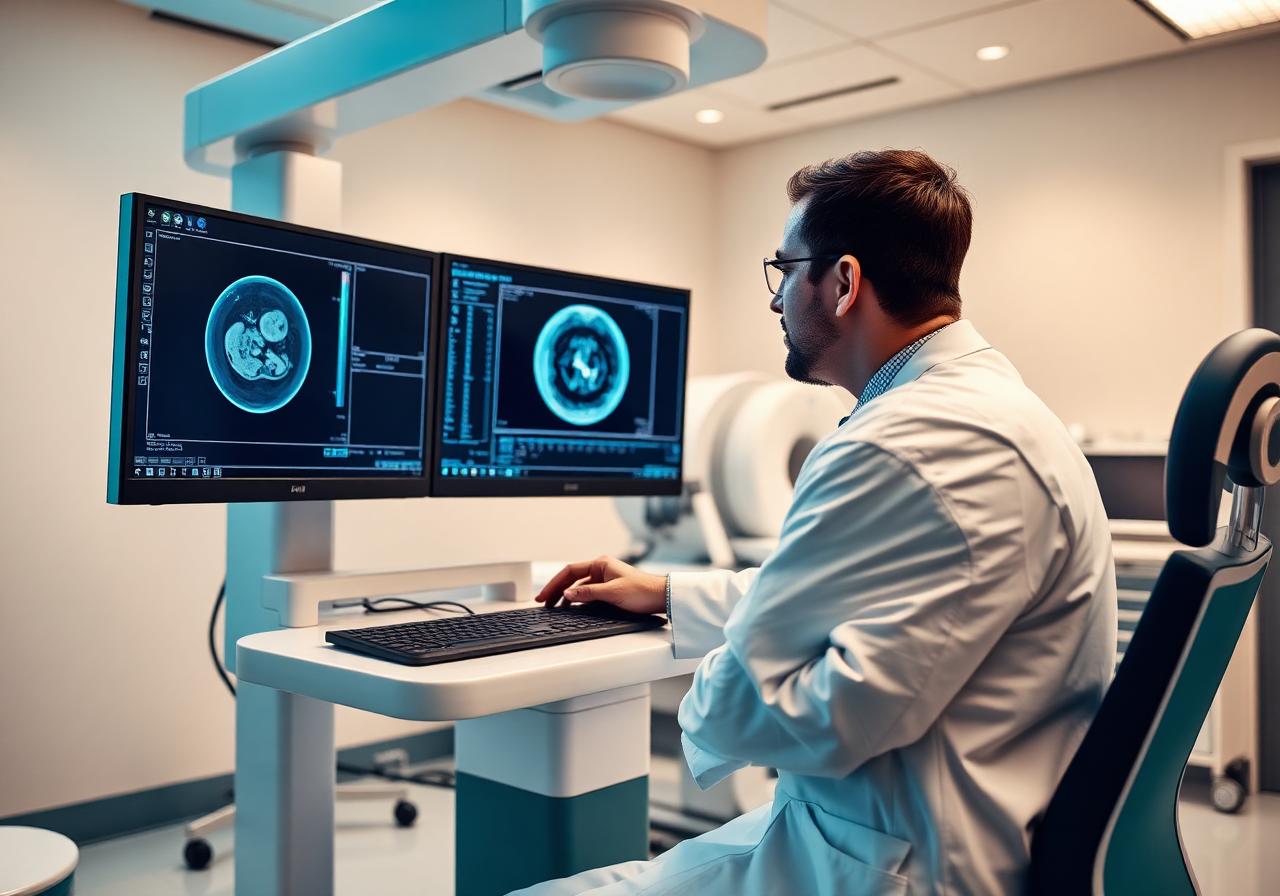
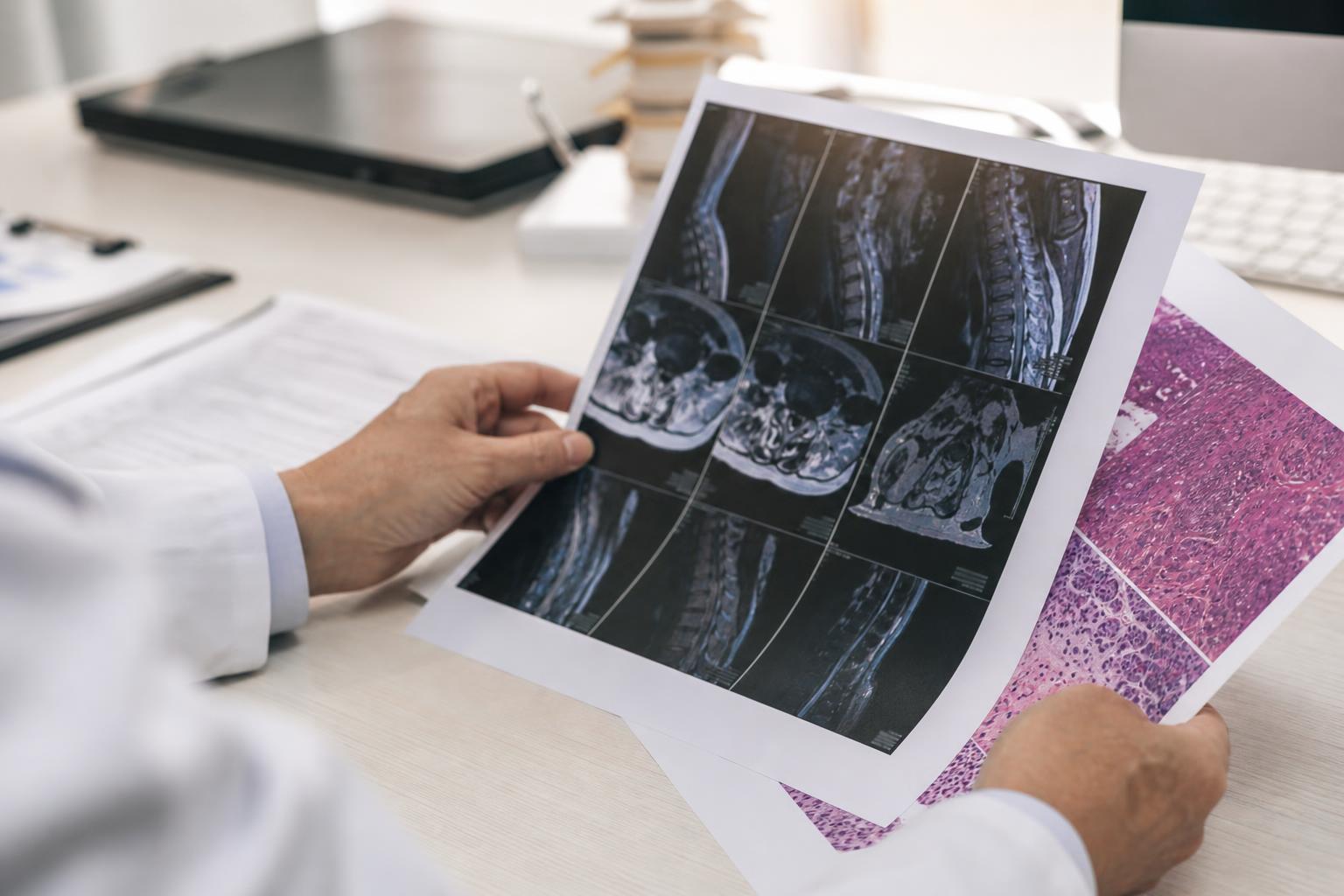
An MRI is a map, not a verdict. Radiologists are trained to describe what they see in cautious, layered language — and that language can sound alarming when read without context.
"Suspicious" is a technical word
In radiology, "suspicious" means "worth looking at more carefully" — not "confirmed dangerous." A large portion of suspicious findings turn out to be benign after follow-up.
- T1 and T2 refer to different contrast settings, not severity
- Size in millimeters is always worth noting
- Comparison to prior scans is often more important than the scan itself
Written by
Dr. Marcus Liang
Part of the OncoXAI medical team. All content is peer-reviewed by a board-certified oncologist.