Understanding your first oncology report — without the panic
A gentle, plain-language walkthrough of what every section of your pathology report actually means, and which parts matter most for your next conversation.
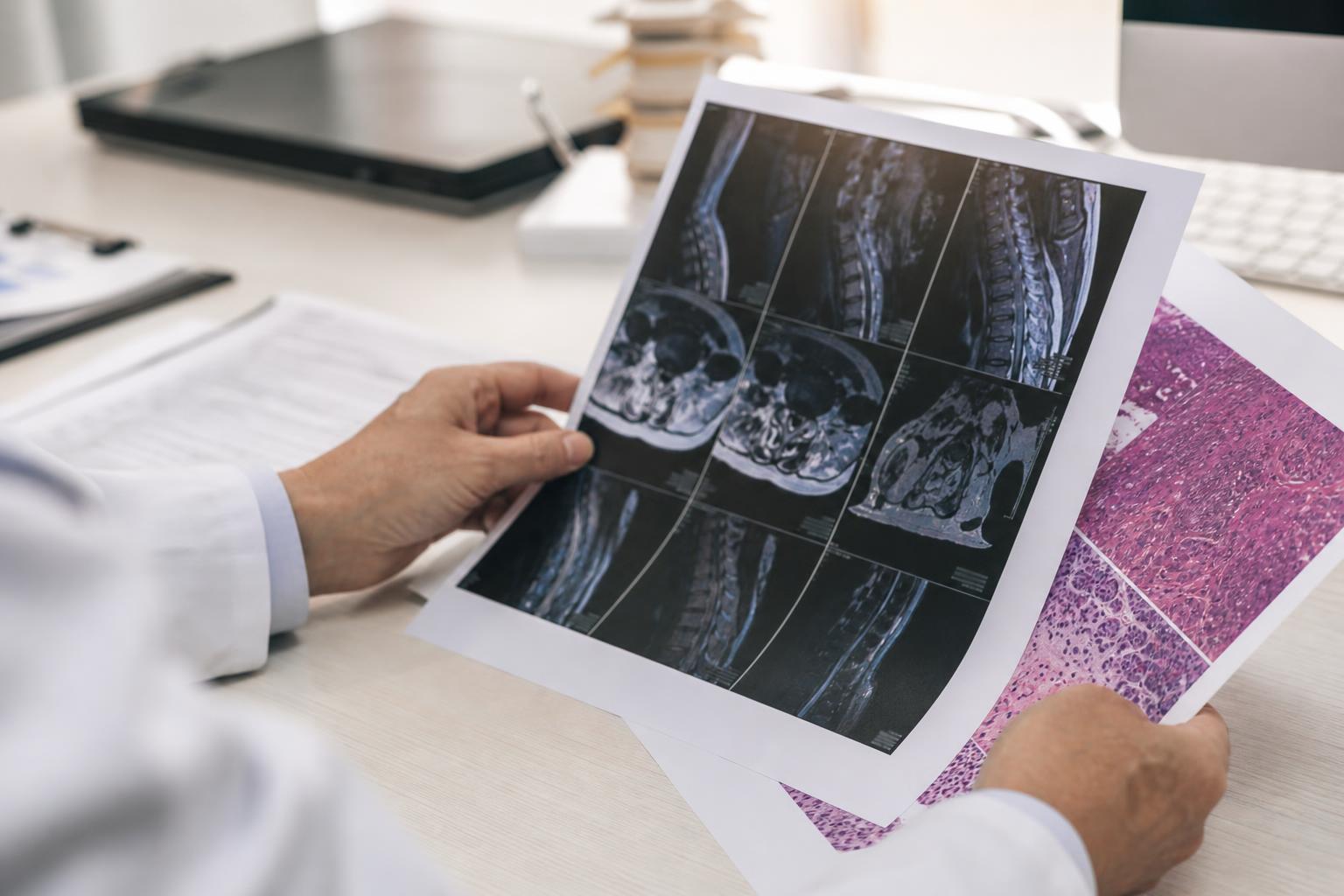
Receiving a pathology report can feel like being handed a legal document written in a language you never learned. Take a breath. You do not need to understand every word today — you only need to understand the shape of it.
The five sections that actually matter
Most oncology reports follow a predictable structure. Learning this structure once is the single highest-leverage step you can take.
- Specimen — what tissue was examined
- Diagnosis — the plain-language name of what was found
- Grade — how different the cells look from healthy ones
- Stage — how far, if at all, it has spread
- Margins — whether the sample edges are clear
You are not the report. The report is information about one moment in your body. You are the whole person.
Questions worth asking your oncologist
Bring a friend, bring a notebook, and bring these three questions: What does this stage mean for my daily life? What are the two or three realistic treatment paths? What would you do if I were your family member?
Written by
Dr. Elena Navarro
Part of the OncoXAI medical team. All content is peer-reviewed by a board-certified oncologist.