Unexplained weight loss
Losing 5kg or more without trying can be an early signal worth checking.
A calm, plain-language guide for patients and families. No jargon, no scare tactics — just the answers you need to make confident decisions.
Reading time ≈ 8 min
Cancer is a group of diseases where some of the body's cells start growing in an uncontrolled way. The body is built from over a hundred trillion cells; cancer begins when one cell — or a small cluster — accumulates genetic changes that let it bypass normal limits.
These cells can invade nearby tissue and, in some cases, spread to other parts of the body through the blood or lymphatic system. Understanding this helps explain why staging, location and the cellular environment all matter.
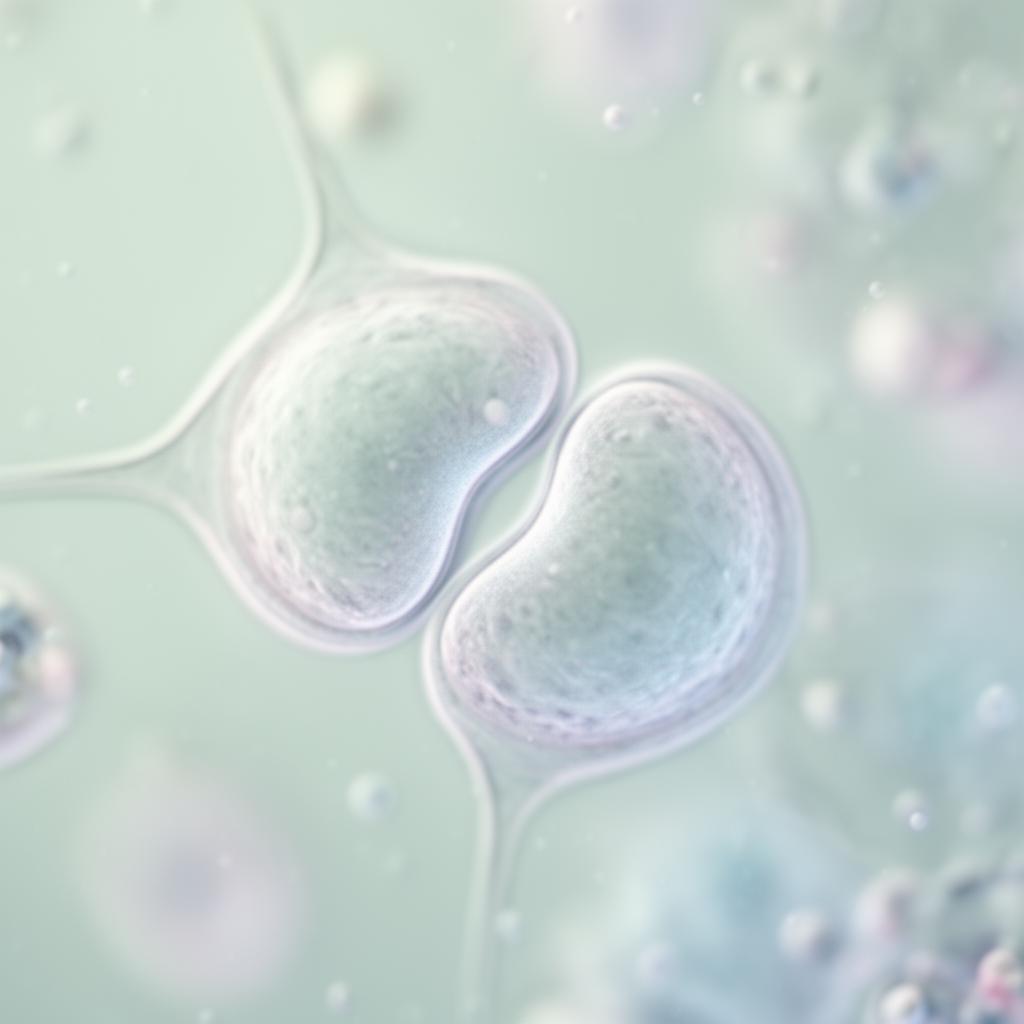
Genetic changes make a single cell behave abnormally.
Cells may invade nearby tissue or travel to distant sites.
Each type behaves differently and needs its own approach.
Most of these symptoms turn out to be something else — but they're worth checking with a doctor, especially if they persist for weeks.
Losing 5kg or more without trying can be an early signal worth checking.
Tiredness that rest doesn't fix and gradually gets worse.
New lumps in breast, neck, testicle or anywhere under the skin.
New moles, sores that don't heal, jaundice or unusual darkening.
Lasting changes in habits, blood in stool or urine.
Persistent cough, hoarseness, or trouble swallowing for weeks.
Diagnosis usually combines several steps — no single test gives the full picture.
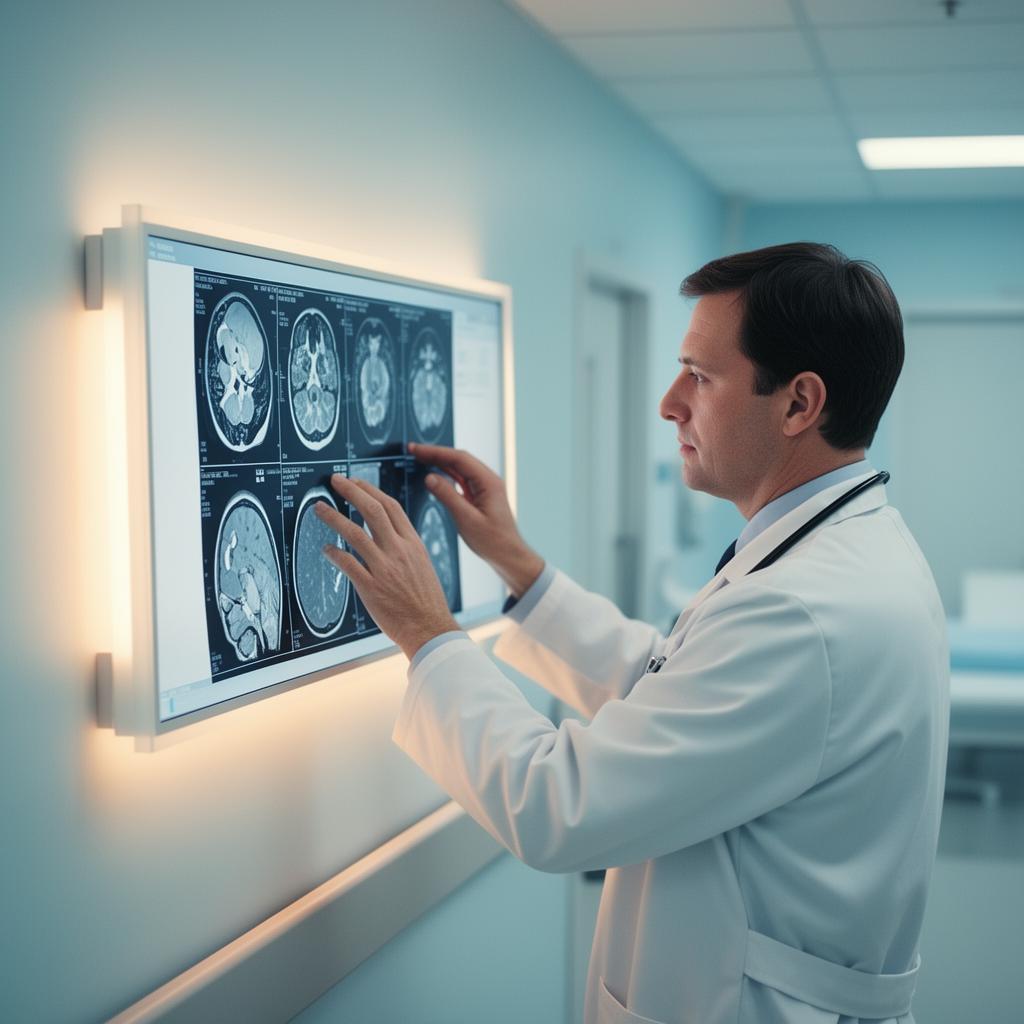
A doctor reviews symptoms, history and performs a physical examination.
Ultrasound, CT, MRI or PET scans to locate and measure suspicious areas.
A small tissue sample is examined under a microscope — the gold standard for diagnosis.
Blood tests, tumor markers, genetic and molecular tests to refine the picture.
Doctors use numbers to describe two different things: how abnormal the cells look (grade) and how far the cancer has spread (stage). Together they shape your treatment plan and prognosis.
Grade is usually 1–3 (low to high). Stage is usually 0–IV — the higher the number, the more the cancer has spread.
Abnormal cells present but not invading nearby tissue.
Small tumor confined to its origin.
Larger or growing into nearby structures.
Reached lymph nodes or nearby tissues.
Spread to distant organs in the body.
Most plans combine more than one of these. The right mix depends on cancer type, stage, your overall health and personal preferences.
Removes the tumor and sometimes nearby tissue. Often the first step for solid tumors.
Targeted radiation shrinks tumors or relieves symptoms. Lower doses, less damage.
Cytotoxic drugs that kill rapidly dividing cells throughout the body.
Drugs that block specific molecules cancer cells need to grow.
Helps the immune system recognize and attack cancer cells.
Electro-capacitive cancer therapy — a non-invasive option for selected cases.
Side effects are real but usually manageable. Tell your team early — most can be eased.
Anemia, low platelets or neutrophils — monitored with regular blood tests.
Manageable with anti-nausea medication and small frequent meals.
Plan rest periods, gentle movement and prioritize sleep hygiene.
Often temporary; gentle skincare and sun protection help.
Cancer and its treatments can affect appetite, taste and digestion. The goal isn't a perfect diet — it's keeping enough energy, protein and fluids in your body to support healing.
A diet rich in vegetables, fruits, whole grains and beans is linked to better outcomes. When eating is hard, small frequent meals, smoothies and protein-rich snacks help.
Prioritize protein and calories — even if portions are small.
Water, broths and electrolyte drinks support kidneys and energy.
Albumin and electrolytes guide nutrition decisions during chemo.

Killing cancer cells matters — but so does living well. The best plans balance effectiveness with your daily quality of life, values and personal goals. There's rarely one right answer; it's about finding the right fit for you.
Misinformation can cause unnecessary fear or delay real care. Here are a few common myths.
Cancer is contagious.
Cancer cannot be passed from one person to another.
A positive biopsy means a death sentence.
Many cancers are highly treatable, especially when found early.
Sugar feeds cancer.
All cells use glucose. Cutting sugar alone doesn't starve a tumor.
Only older people get cancer.
Cancer can appear at any age, including in young adults and children.
Some cancer cells can stay dormant for years before becoming active again. That's why follow-up visits, surveillance scans and lifestyle changes matter long after treatment ends.
A consistent routine — sleep, nutrition, movement and stress management — supports long-term well-being.
Keep follow-up appointments and surveillance scans.
Sleep, exercise and stress management lower recurrence risk.
A diagnosis affects the whole family. Here's how to show up — and how to take care of yourself too.

Sometimes the most powerful support is presence — without trying to fix everything.
Help with appointments, meals, transport, paperwork and small daily tasks.
Caretakers need rest, support and time to process emotions too.
Bring this list to your next appointment. Write down answers — it's easy to forget details under stress.
Reliable information helps you ask better questions, understand your options and feel more in control.
Upload your reports and receive a clear, multidisciplinary review within 48 hours.
ONE UPLOAD. ONE MULTIDISCIPLINARY REVIEW.
Send your medical reports and images securely.
Our multidisciplinary experts analyze and integrate all your information.
Get one clear, personalized report with expert recommendations.
It's safe, simple and confidential.